Vampire [any]
- 665 Posts
- 2K Comments


 1·2 months ago
Have you built with knowledge-graphs?
Is there a more decentralised way you can think of to do it?
Some sort of wikipediaesque knowledge-graph-building project might work but I could see it turning into a graveyard pretty quickly if you don’t pay experts.
…by the black-box of…
It’s explicitly based on knowledge-graphs, rather than a black-box architecture.
You have a wonderful day.
Hallucinations are an issue with neural-net-AI, not knowledge-graph-AI
 2·2 months ago
The core idea is contrasting the Roman fiscal impersonal bureucracy, which was able to levy tax over a wide area, with the localised aristocratic one that followed, based on being an influential local family. entralised imperial taxation versus local estate-based taxation.
In the Roman system, the representative could show up and collect tax without having a family or local connection. Armies were employed by tax money (and taxed grain) gathered from this impersonal, wide-area bureaucracy, not by local lords. The value extracted in one part of the Empire could be spent (e.g. on military) in another
Example of an estate in 4th century Gaul –
- tenant farmers paid rent+produce+labour to a private owner
- Imperial taxman assessed it and gave them a tax-bill (in grain/money)
Christmas Day 800, Charlemagne was crowned as the Emperor of the Romans by Pope Leo III in St. Peter’s Basilica. He didn’t have the Roman tax ability. But he did have loyalty of people who had localised influence. This is the seed of feudalism.
Feudalism can mean –
- landlords squeezing peasants
- military service based on estates
- lord granting a fief of land to a vassal
- government via local aristocrats
Under the Carolingians…
- public office
- landholding
- military obligation
- personal fealty
…were separate things that often overlapped
The naïve conception is that feudalism was always a package of all these. The point of those two lists is to deconstruct the concept you have of ‘feudalism’, which is a label and is distorting like all labels are.
In Britain, the Roman administration collapsed quickly. In Italy, it outlived the Romans and continued under Odoacer and Theodoric. The Goths kept Roman law to some extent in the West. Meanwhile, the Eastern Roman Empire (Constantinople) preserved a Roman-style fiscal state.
https://en.wikipedia.org/wiki/Crisis_of_the_Third_Century – Diocletian reörganised tax to be more reliable.
The Roman state calculated how much tax it needed and issued the bills down through the hierarchy. The Empire had to hire bureaucrats to make sure these locals didn’t understate their bills. If inflation made the salaries of the bureaucrats worthless, the tax draw fell apart. Later Empire tried to track people’s status, residence, occupation and inherited obligation. (Sounds like a Hukuo system.) It was easier to do this with farmers, who have less labour-mobility.
Odoacer deposes the (Western) Roman Emperor in 476 and takes over/inherits this tax system. Civil wars in Rome before Odoacer meant localised government; these local governments had picked a side in the civil war, and then swore to the Gothic Emperor.
https://en.wikipedia.org/wiki/Chilperic_I in 6th century inherited the Roman taxation system but not its centralised way of settling assessment disputes. This is where feudalism comes in. The Roman Empire was replaced by smaller kingdoms. Early mediæval kings toured among their lords because that’s their basis of tax, not the capital.


 14·3 months ago
I haven’t tried Kimi
z.ai is cool 🇨🇳 and has open-weight models
 13·3 months ago
interesting take
It’s just… who would have thought we are seriously contemplating the slow decline of the human population because too many people are busy making out with their monroebots? There’s no difference between reality and fiction any more.
Laws aim to reverse China’s falling birth rate
what a weird timeline we live in
 Elon Musk’s net worth dipped below a trillion dollars and you’re laughing?
 1·3 months ago
Removed by mod
Removed by mod
I don’t see anything like that. Here’s what he is saying —
The left is heavily divided. Most is history, the Greens are new.
First split was into [democratic] socialists and communists. Socialists split into Labour and the SDP in 1990.
Blair created ‘New Labour’ in 1994; George Galloway split from New Labour with the Workers party in 2019; Your Party split from New Labour with in 2025
Communists split first over Trotsky. The non-Trotskyists split over Khrushchev in the 1960s.
Split between communists and socialists happened after WW1, and was about insurrection versus electoralism. In Britain, communists wanted a Soviet Republic, and socialists a constitutional monarchy.
By the mid-1930s, that contradiction was obsolete because the British and French communists had abandoned the idea of revolution and of a Soviet Republic. The 1938 UK Communist Party called for just a ‘Popular Government’
Nobody seems serious about revolution now. Trotskyist parties in the UK only did propaganda, study-groups, and infiltrating groups like the Labour Party and trade unions. Same with Workers Revolutionary Party (UK) and Socialist Workers Party (USA)
The Comintern said create underground armed militias, infiltrate police and army, for Soviets and revolutionary committees. This has never been done in Great Britain.
The Chinese, Filipino, Vietnamese, Greeks, Yugoslavs, Albanians followed the Comintern path. Czech communists took power in 1948 this way.
Trotsky split with the Comintern (initially over socialism in one country), accused it of backsliding on popular insurrection and Soviet Republics. They founded the Fourth International. But Trotskyists backslid out of revolution as well.
1963 Chinese paper Whence The Differences (PDF) argued that Soviet, Yugoslav, and French communists were revisionist, had abandoned class warfare (the same criticism Trotsky made). This is an anti-Khrushchev thing.
Maoists around the world (e.g. Naxalites) followed the illegal strategy we’ve been looking at.
The most successful, like the Belgian Workers Party, CPI(M), and Communist Party of Nepal had electoralism plus illegal armed activities.
The theme is: British communists under the influence of leaders from communist countries try to create a more revolutionary faction, but in practice are never revolutionary/violent. They are just ineffective social democrats.
The exception to this in the UK is Sinn Féin, who did armed struggle and electoralism together and won concessions from the state. Labour under Clement Attlee and Harold Wilson had a socialist agenda, Clause IV and did it: nationalised coal, railway, aerospace, shipbuilding, gas, and steel. Cockshott compares this to modern China: planning, nationalising industry, planning, using markets as a tool, public housing and healthcare, universal welfare. In Harold Wilson’s day, this was considered centrist. Wilson’s welfare programs went beyond China’s.
The Social Democratic Party was Labour’s right-wing. Splitting the vote gave Thatcher victory. Blair then took the rest of Labour in this direction to regain their electoral losses. Starmer and Labour Together have the same line.New Labour and Galloway’s Workers Party are in the mould of Labour when it had Clause IV
The Gaza genocide has about 12% the number of deaths as Rwanda 1994, about 3.5% of Armenia
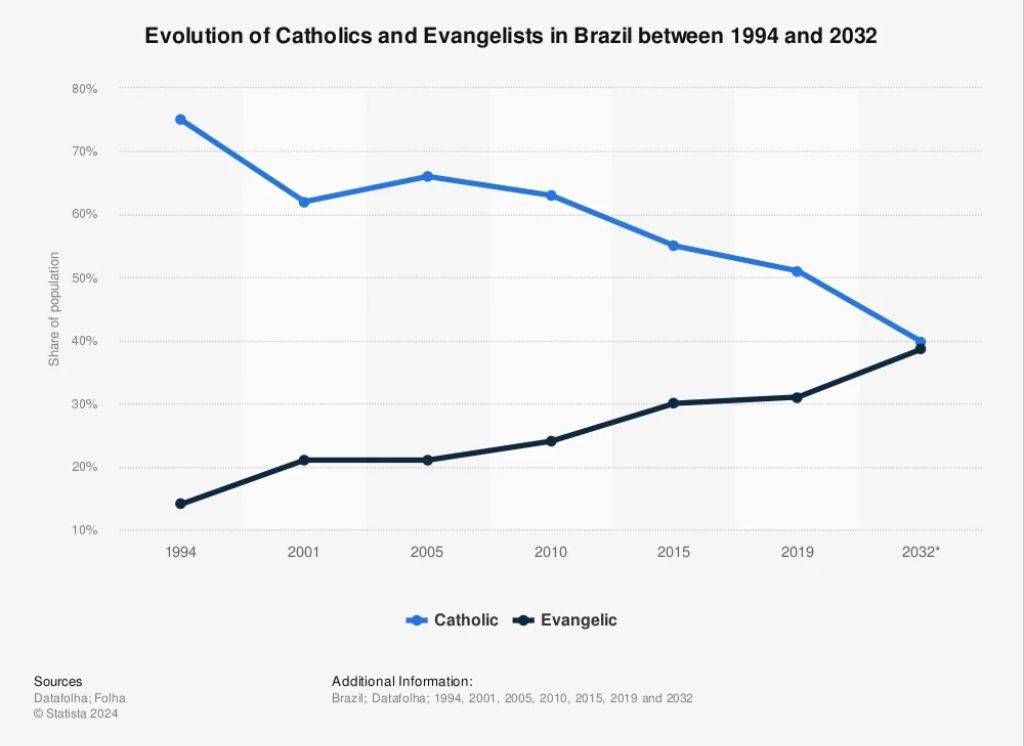
Neymar supported Bolsonaro in the 2022 election
there was an Argentinian pope until last year
tbf, that might be even worse to a Brazilian footballer
what is the real reason?

 1·3 months ago
nice!
 2·3 months ago
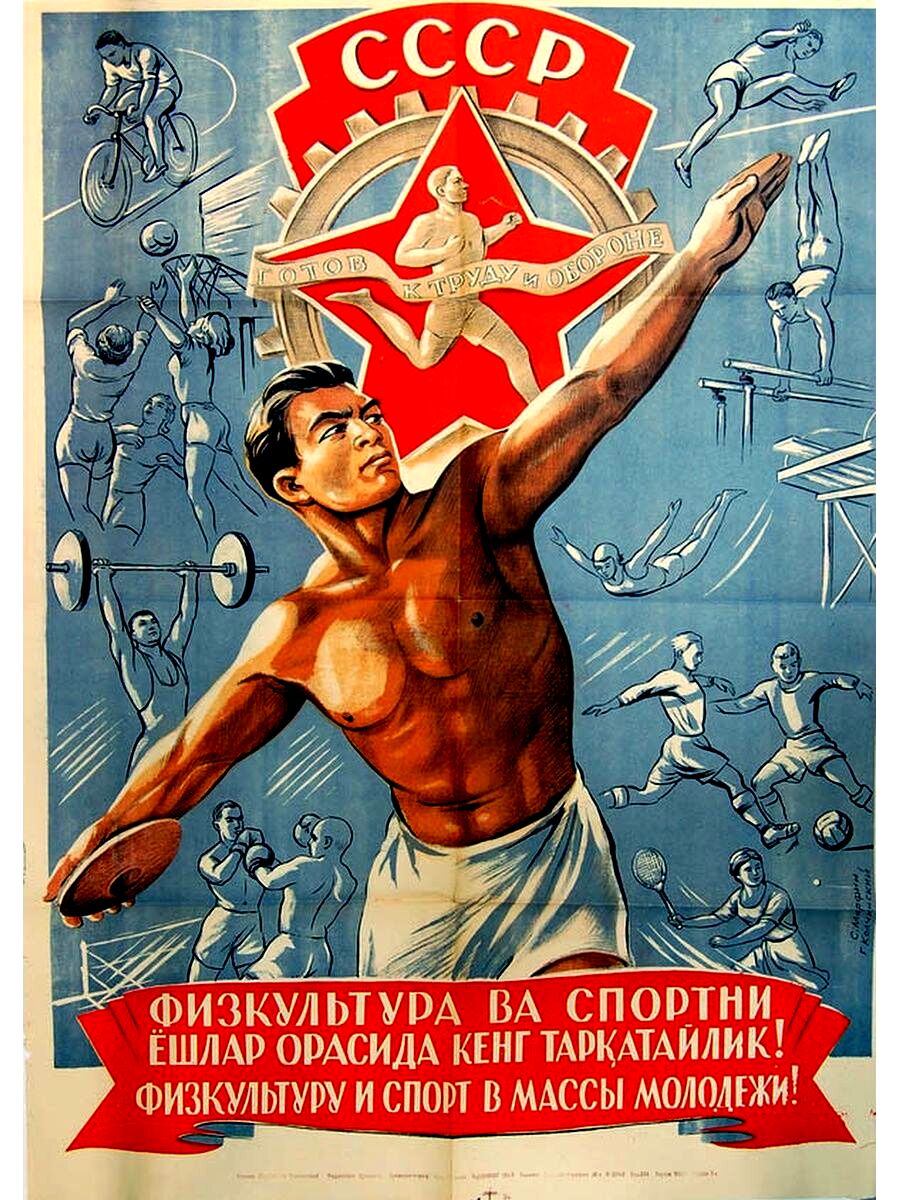
whut? who?



The Ho Chi Minh Trail was a network of roads and trails that ran from North Vietnam to South Vietnam through Laos and Cambodia. The system provided manpower and materiel to the Viet Cong & the People’s Army of Vietnam during the Vietnam War. According to the U.S. National Security Agency’s official history of the war, the trail system was “one of the great achievements of military engineering of the 20th century”. The trail effectively supplied troops fighting in the south – an unparalleled military feat, considering it was the site of the single most intense air interdiction campaign in history.