Sure, I guess if you want an invasion of the West to work it’s a bad thing.
The IDF isn’t a fair comparison. They do a whole lot of stuff, unlike NATO which mainly prepares, and much of it does not meet the standard of defence to anyone’s satisfaction but Israel and maybe the US.
Well, that’s a natural place to end, but I’m curious. What would global socialism look like, according to you? If some regional national group wants do do something very not socialist, like I dunno, forced marriages, are they stopped, or allowed to? And what about groups that are almost but not quite a nation, like you tend to find anywhere with a long history?
Progressive movements are to be supported, reactionary movements are to be opposed. If a regional group wishes to, say, reinstate capitalism or feudalism, then this is to be corrected as bloodlessly as is feasible. Impulses towards reaction fade over time as socialism solidifies, but they definitely exist for at least a few generations after socialism is established.
National liberation is a pre-requisite for socialism, only then do borders begin to fade. In the interim, an internationalist federation of socialist polities would exist.
Alright, thanks for the answer. As you would certainly know, socialism grew out of liberalism. Trying to connect it back to ancient traditional societies (non-Western or Jewish or Christian) has always seemed like a stretch to me. I’ll paraphrase that as “we wouldn’t unquestioningly support every non-Western nation, and would only have to deal with it for a while anyway”.
What about the second question, though. What makes a nation in the first place?
Socialism didn’t necessarily grow out of liberalism, and in many cases socialism has been established in societies that are distinctly Eastern, not Western. Socialism isn’t something uniquely European, but generally human.
Either way, a nation is a historically constituted, stable community of people, formed on the basis of a common language, territory, economic life and culture. Much has been written on nations in the Marxist canon, and many bend these general observations. Language in particular is an underrated area of Marxist studies.
Socialism didn’t necessarily grow out of liberalism, and in many cases socialism has been established in societies that are distinctly Eastern, not Western. Socialism isn’t something uniquely European, but generally human.
Are you thinking of the way hunter-gatherer societies run? Or maybe you’re including gift economies as well? Feudalism obviously is right out, and that’s like 90% of economics in any agriculturalist society, although the exact hierarchy can be anything.
Marx, at least, wouldn’t have known that. It was the Victorian era of social sciences where the world was put on a spectrum of primitive vs. advanced. Marx just had everyone going through his version of the stages equally.
Either way, a nation is a historically constituted, stable community of people, formed on the basis of a common language, territory, economic life and culture.
Sure, I guess that’s pretty standard. I won’t pick at it more.
Language in particular is an underrated area of Marxist studies.
I’m not referring to the idea of “primitive vs. advanced,” but the understanding of socialism as a higher developed mode of production than capitalism. It doesn’t exist because some European thought of it, but because the mode of production had developed to a point where it could be observed as a natural trend. Eastern Marxism is entirely compatible with this idea, and while Marx’s ideas and writings are core to them, Eastern Marxists did not abandon their entire history.


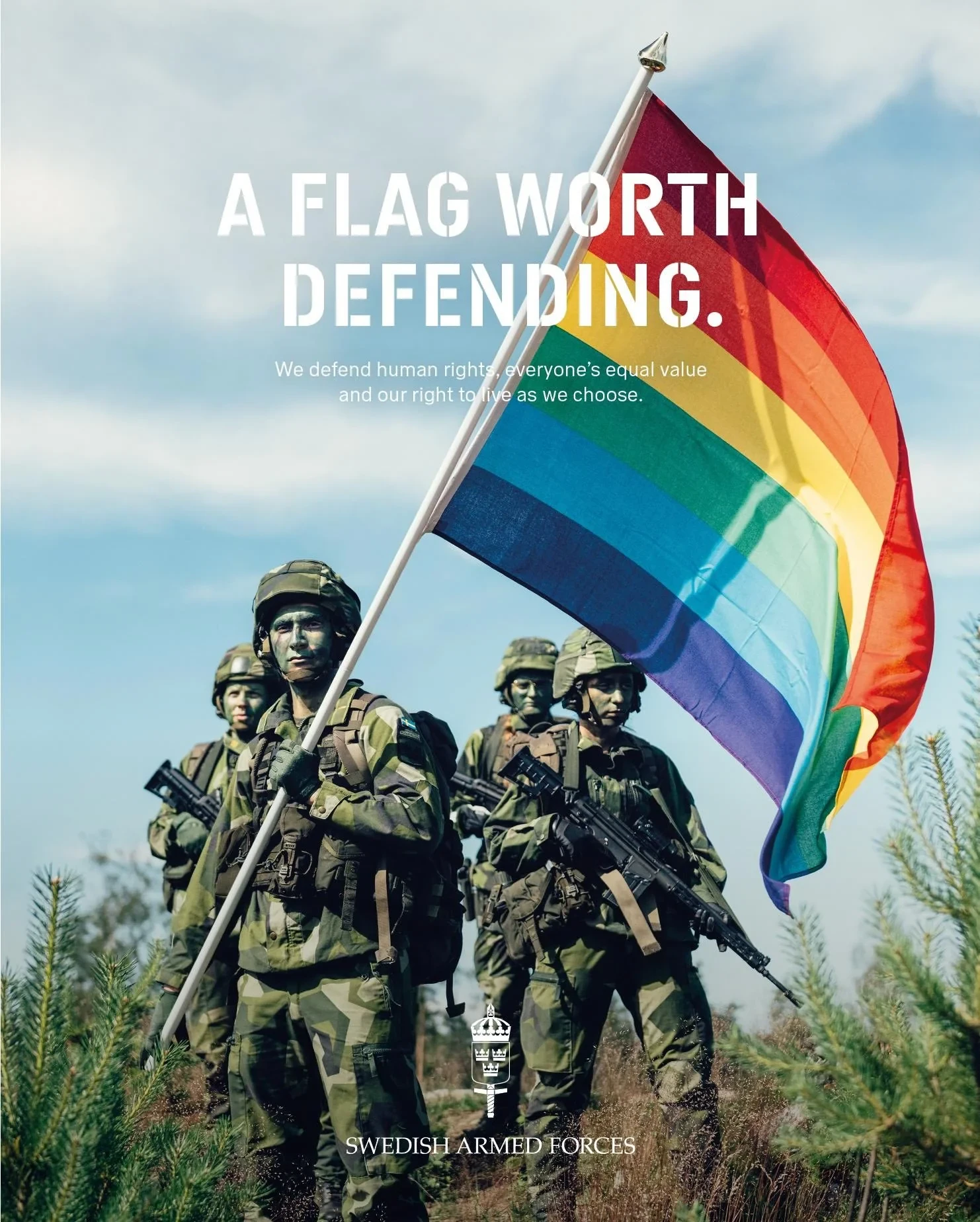
Sure, I guess if you want an invasion of the West to work it’s a bad thing.
The IDF isn’t a fair comparison. They do a whole lot of stuff, unlike NATO which mainly prepares, and much of it does not meet the standard of defence to anyone’s satisfaction but Israel and maybe the US.
What I want is for the end of imperialism and the adoption of global socialism. NATO stands on the side preserving imperialism.
Well, that’s a natural place to end, but I’m curious. What would global socialism look like, according to you? If some regional national group wants do do something very not socialist, like I dunno, forced marriages, are they stopped, or allowed to? And what about groups that are almost but not quite a nation, like you tend to find anywhere with a long history?
Progressive movements are to be supported, reactionary movements are to be opposed. If a regional group wishes to, say, reinstate capitalism or feudalism, then this is to be corrected as bloodlessly as is feasible. Impulses towards reaction fade over time as socialism solidifies, but they definitely exist for at least a few generations after socialism is established.
National liberation is a pre-requisite for socialism, only then do borders begin to fade. In the interim, an internationalist federation of socialist polities would exist.
Alright, thanks for the answer. As you would certainly know, socialism grew out of liberalism. Trying to connect it back to ancient traditional societies (non-Western or Jewish or Christian) has always seemed like a stretch to me. I’ll paraphrase that as “we wouldn’t unquestioningly support every non-Western nation, and would only have to deal with it for a while anyway”.
What about the second question, though. What makes a nation in the first place?
Socialism didn’t necessarily grow out of liberalism, and in many cases socialism has been established in societies that are distinctly Eastern, not Western. Socialism isn’t something uniquely European, but generally human.
Either way, a nation is a historically constituted, stable community of people, formed on the basis of a common language, territory, economic life and culture. Much has been written on nations in the Marxist canon, and many bend these general observations. Language in particular is an underrated area of Marxist studies.
Are you thinking of the way hunter-gatherer societies run? Or maybe you’re including gift economies as well? Feudalism obviously is right out, and that’s like 90% of economics in any agriculturalist society, although the exact hierarchy can be anything.
Marx, at least, wouldn’t have known that. It was the Victorian era of social sciences where the world was put on a spectrum of primitive vs. advanced. Marx just had everyone going through his version of the stages equally.
Sure, I guess that’s pretty standard. I won’t pick at it more.
Interesting. I do love my linguistics.
I’m not referring to the idea of “primitive vs. advanced,” but the understanding of socialism as a higher developed mode of production than capitalism. It doesn’t exist because some European thought of it, but because the mode of production had developed to a point where it could be observed as a natural trend. Eastern Marxism is entirely compatible with this idea, and while Marx’s ideas and writings are core to them, Eastern Marxists did not abandon their entire history.
As for linguistics and Marxism, here’s a brief page with further reading if you like.