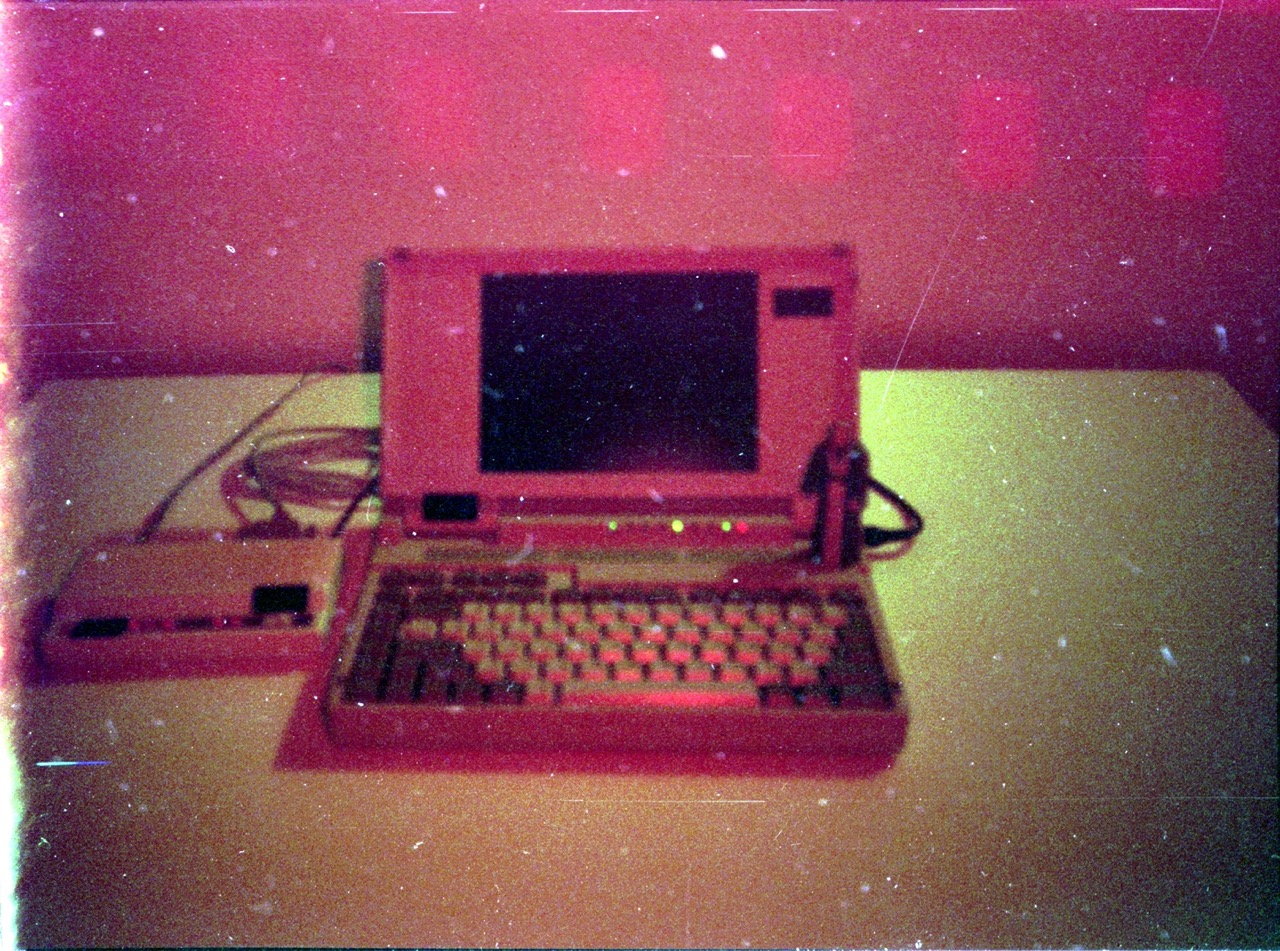
TL;DR: … hosting a website on a 25-year-old Sun Netra X1 SPARC server running OpenBSD 7.8. The setup includes: Noctua fan mods for quiet operation, httpd serving static HTML/CSS, OpenBSD’s pf firewall with default-deny rules, and Cloudflare tunnels to expose it safely without port forwarding. The server pulls ~55MB of RAM and serves pages from my garage. Check it out live at sparc.rup12.net - because why not? Well, the guy licks Cloudflare’s boots. Fuck that. He doesn’t understand the problem with that. So perhaps the real answer is NO, if he depends on Cloudflare Inc.
I have one of those in my loft. Used to use it for OpenBSD development.
I have one as well, mothballed, which is why the article caught my attention. Then I saw all the mention of Cloudflare and thought: oh fuck, so it needs a wheelchair with a mouth joystick, in effect.
What originally attracted me was running a full-blown ZFS, which was too license encumbered to be fully featured in linux or bsd, IIRC. I never got around to doing much with it. And now I wonder if ZFS is finally fully liberated on a FOSS platform.
Yeah, sun did some really cool stuff towards the end. ZFS, zones, SMF. I always liked their ALOM lights out management too. RIP sun.
My file server uses zfs on Linux.
As the other commenter says, GPL somewhat disagrees with the license. It flips the taint flag on the Linux kernel too.
I tried btrfs, but it’s not ready IMHO.
Originally ZFS could not be a boot disk because of the license issue. There was some other important feature that was denied to linux users, originally (forgot what it was). Apparently the booting restriction was eventually overcome. I don’t really grasp how the licensing changed that made booting possible.
Conceptually ZFS was relatively superior to all other filesystems. If it’s fully liberated, I don’t get why it is not more popular. I might expect it to be a default of sorts when installing Debian.
true