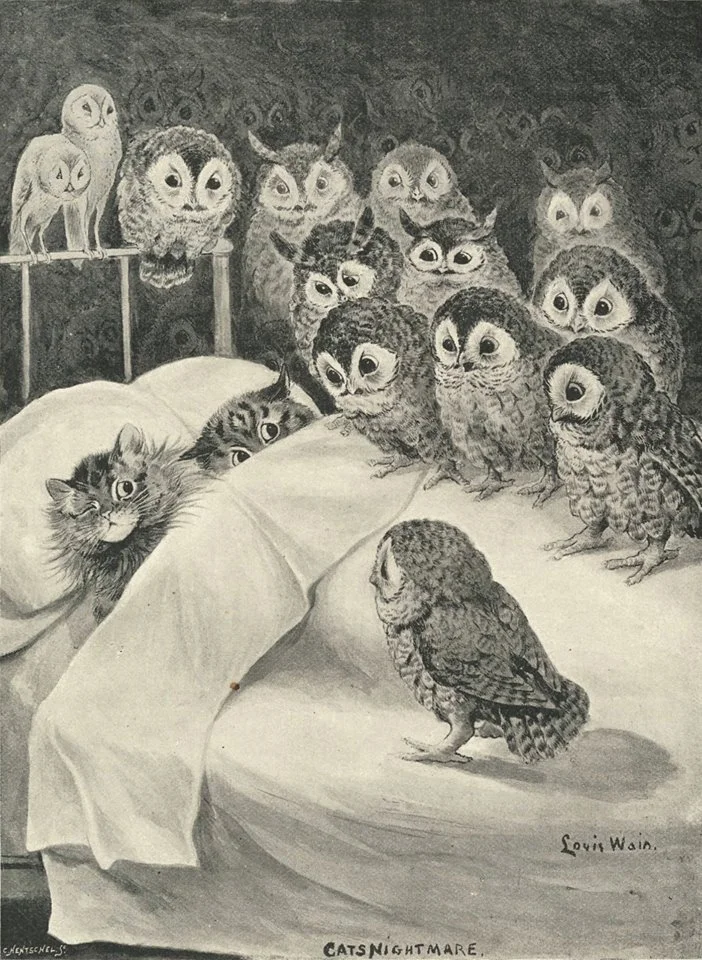


Like a glittering tide, light pollution—also known as ALAN, or “artificial light at night”—is spreading across the globe, brightening even the planet’s remaining dark corners.
From space, cities resemble iridescent amoebae, their luminous tendrils pushing outward into rural landscapes. On the ground, that expansion is even more dramatic. Data collected by citizen scientists analyzed by German and American researchers suggest that sky glow has increased by roughly 10% annually between 2011 and 2022, doubling in brightness every eight years. That pace is far faster than what satellites alone have typically captured, and it helps explain why more than 80% of the world’s population, and more than 99% of people in the United States and Europe, now live under light-polluted skies, with the Milky Way hidden from more than a third of humanity.
You must log in or register to comment.