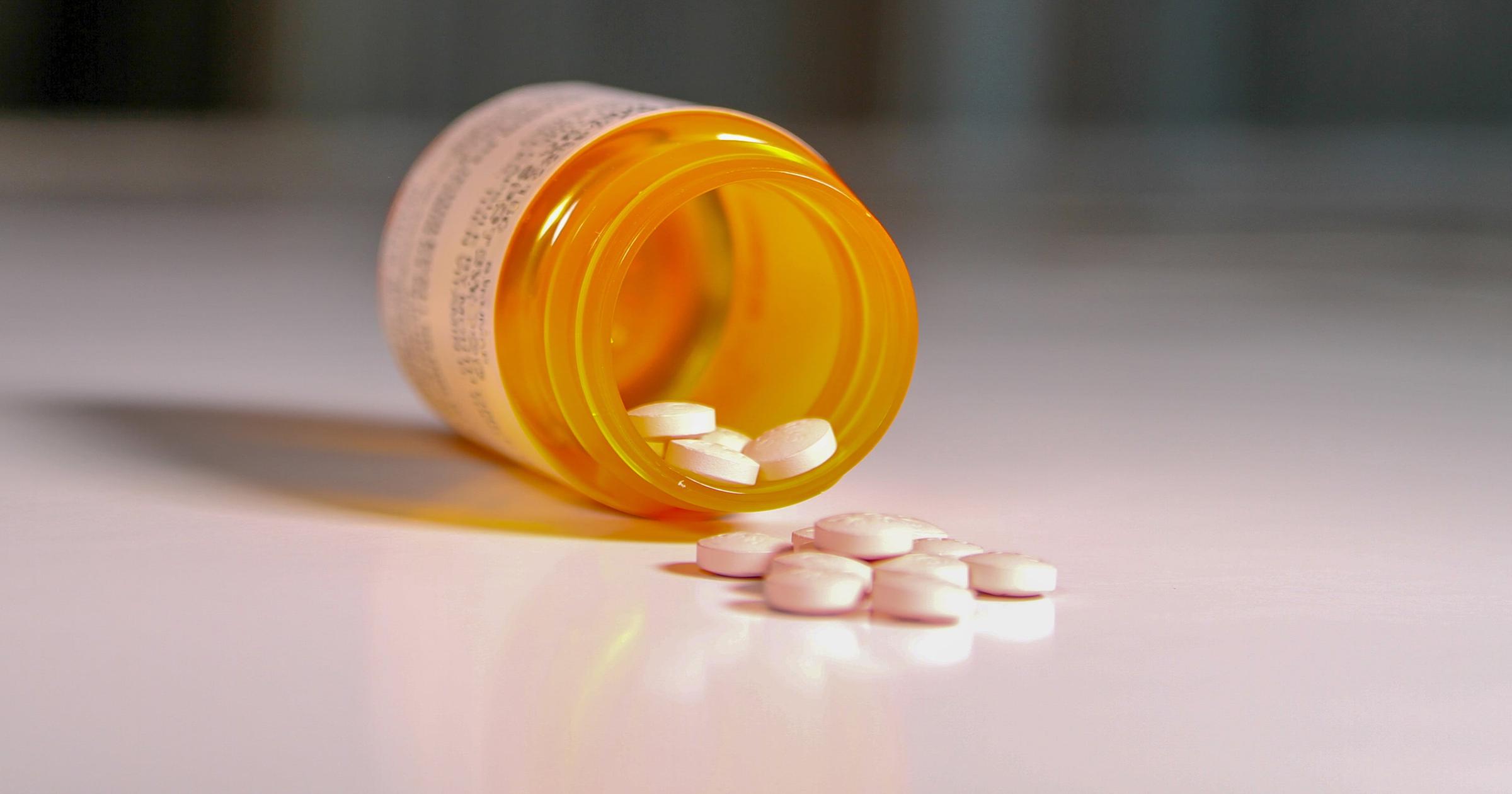
Effective Oct. 22, the Trump administration will tighten trade rules, which will make filling low-cost prescriptions at foreign pharmacies all but impossible for Americans, experts say. Buying prescriptions at discount rates from other countries will require tariffs, prepaid duties and customs paperwork.
For decades, millions of Americans have turned to Canada and other foreign countries for low-cost prescriptions.
“Every year, millions of prescriptions are sent across the border,” said Ken Hunter, executive director of the Campaign for Personal Prescription Information, a nonprofit patient advocacy outfit based in Hillsborough, N.J. “You’re going to have thousands of people in Pittsburgh who can’t order their prescriptions.
“It’s just a sorry situation,” he said.
In a statement, the nonprofit Canadian International Pharmacy Association said the “arrangements used to deliver most personal prescription orders to U.S. patients will no longer be workable.
“Unless those arrangements change, Americans should expect that virtually all routine personal prescription orders mailed from licensed Canadian and international pharmacies will be unable to reach them,” the trade group wrote.
In July 2025, President Trump signed an executive order eliminating the so-called de minimis duty exemption, which allowed low-value imports worldwide to enter the U.S. without the headache and cost of customs review. A new U.S. Customs and Border Protection policy governing international mail shipments will end the duty-free exemption Oct. 22.
The Trump administration said the de minimis exemption was being exploited to facilitate illegal drug shipments and evade tariffs, which hurt domestic businesses. For certain countries, the number of these shipments nearly tripled to 309 million by June 2025 from 115 million in all of 2024, according to the White House.
The shutdown means Americans will have to pay higher, domestic prices for prescriptions. In some cases, the prices will be much higher.
The majority of American citizens did not vote for this. It was a coup.
It’s unfortunate for those who really need their meds and voted against this but I’m guessing a disproportionate number of people who take advantage of this also voted for it.
It’s unfortunate that disabled people will suffer the most. But Americans have largely voted for this both in the ballots and with their persistent inaction, and yet have been shielded by a lot of the pain they’ve inflicted on the world and benefited from, even long before this administration. Can’t say I feel bad for them getting exactly what they’ve been asking for.
It’s unfortunate that disabled people will suffer the most.
People who are officially disabled disabled would be on Medicare, might have a matching Medicaid plan that also covers Part D drug costs. If all that’s in place, this shouldn’t effect them.
Who is really fucked is the people who make too much money to qualify for state medical plans, and don´t make enough to pay for private ones, or, if they do, don’t have enough money left over to buy drugs after they’ve paid the premiums.
And drug prices are completely BONKERS without insurance. It’s not like you’re just paying a higher price retail, the retail price is entirely unmoored from reality.