

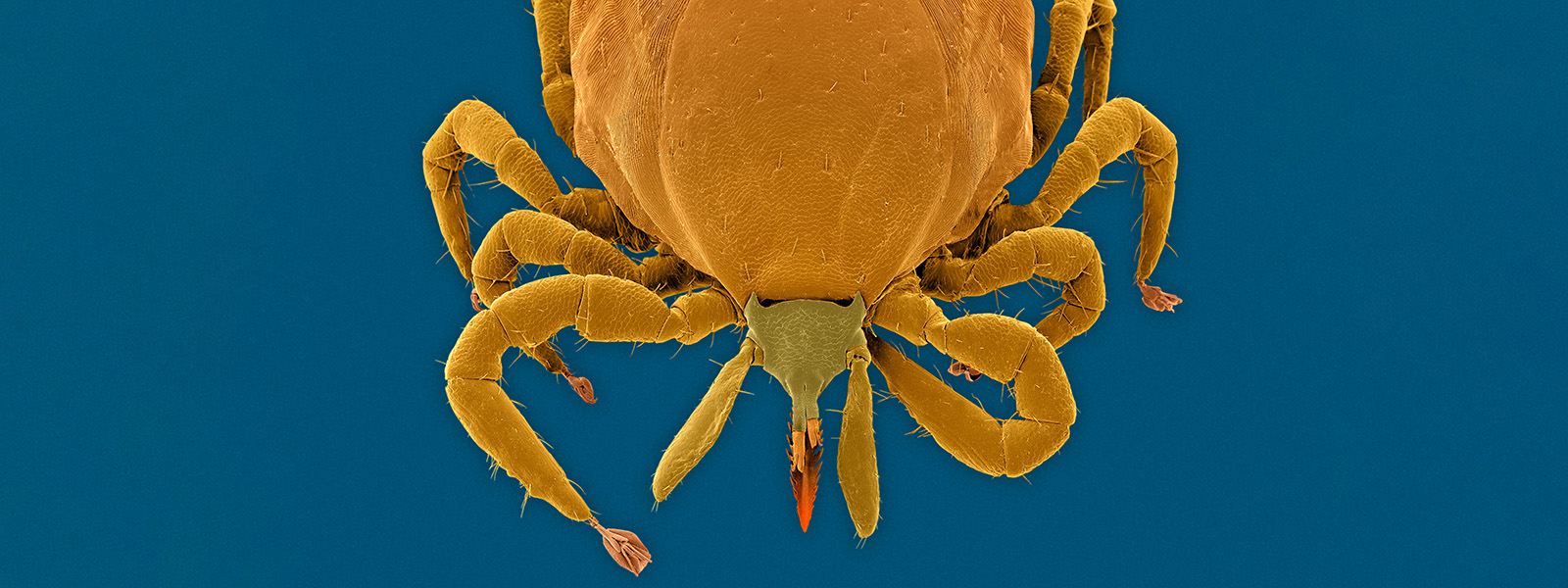
Hard ticks can transmit an array of bacteria, viruses and parasites to human beings, causing a roster of diseases, both familiar-sounding and obscure: Lyme disease, Rocky Mountain spotted fever, Colorado tick fever, babesiosis, tularemia and more. A handful of tick species are the most serious spreaders. The same tick that causes Lyme disease in the eastern United States — the black-legged tick, Ixodes scapularis — can harbor six other pathogens. The black-legged tick and two others — the lone star tick (Amblyomma americanum) and the American dog tick (Dermacentor variabilis) — are responsible for most cases of tick-borne illness in the United States.
Ticks are adept at transmitting disease in part because they live a long time, compared with other vectors like mosquitos. Most of the ticks that carry disease live two to three years and feed on the blood of multiple hosts across their four-stage life cycle (which progresses from egg to larva to nymph to adult). That gives them plenty of opportunity to pick up a pathogen that they can later transmit through their saliva when they bite someone.