
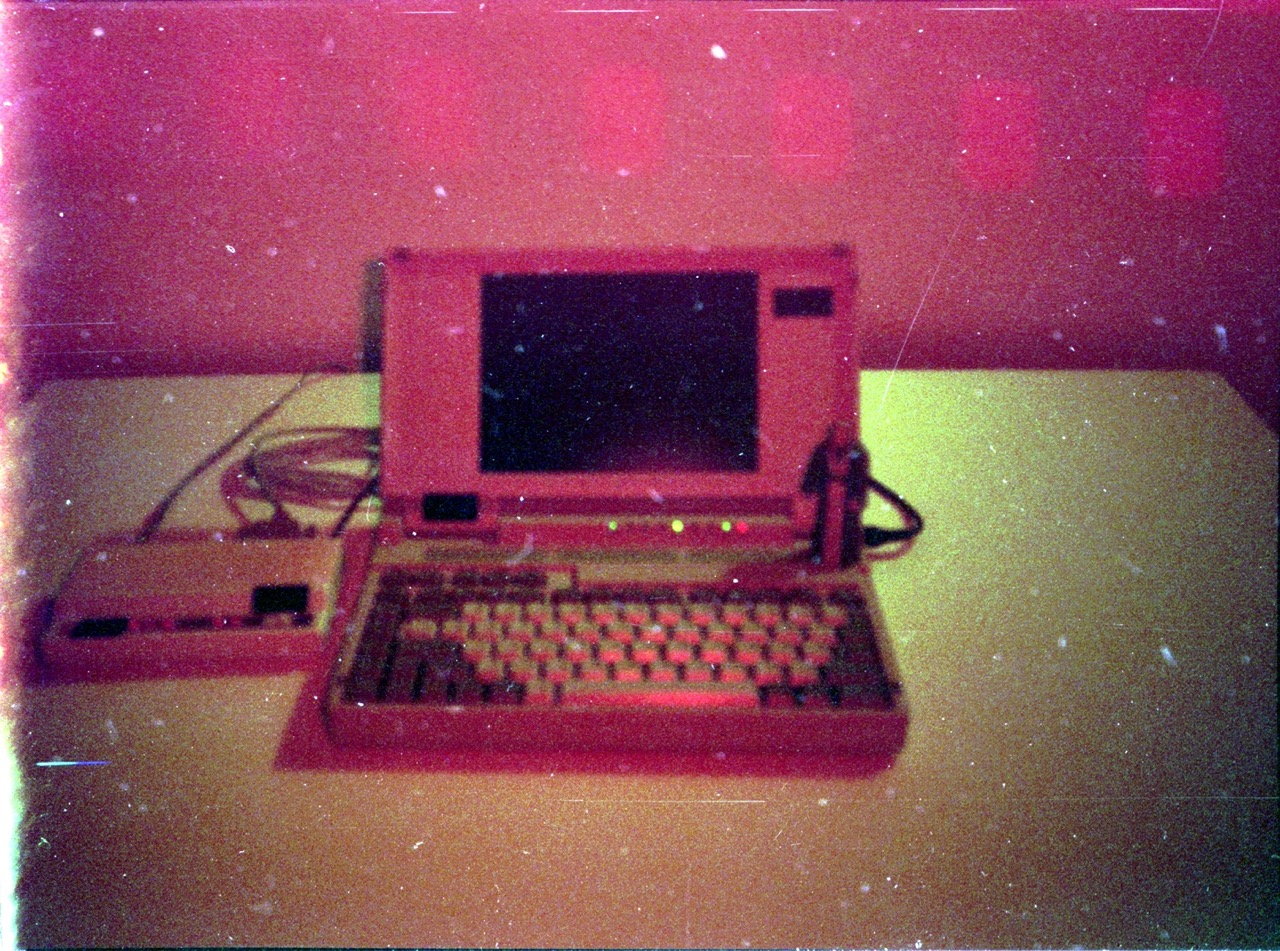
I was in the non-profit shop of a local charity. They accept donations of used computers then resell them to the public. The profit goes to charity. I asked for their oldest machine. It had an AMD chip from the 16h family. Thus, a spychip.
So their oldest machine was still too new for me. I asked why don’t you have anything older? They said the general public would not accept anything older, and so the shop also does not accept anything older. When machines are rejected, they go to a factory that destroys them and recovers the raw metals.
It’s sad to see that pre-spychip machines are being destroyed and that even 2nd-hand customers are being limited to anti-consumer spychip hardware.
None of this obviates my thesis. A profit limit of $999,999 in your country reflects a buffer for ops. That’s has no material relevance here. Nor does it support the other Cloudflare user who claimed the charity activity of selling old machines is not viable. To claim that it’s not possible to sell old machines (even at a loss) and yet sustain, this makes it hard to believe you really know how non-profits work – assuming that is your stance. Otherwise, what’s your point?
Indeed it is well known that non-profits have countless angles for abuse. People like Peter Thiel and other right-wing pricks notoriously abuse the non-profit charity structure. That’s mostly irrelevant but to the extent that it’s relevant it actually supports my thesis nonetheless. An abuser who funds a yacht from charity work obviously has enough slack money to sell some old machines, or even pay someone to take them.