

3·
1 天前Link the series? 🙏
Link the series? 🙏
As a child I went to this man’s Halloween show at the University of Puget Sound in Tacoma, WA where he was a professor of chemistry. Amazing show! Love seeing this meme.

Longtime professional software dev that no longer writes code by hand here. Wrote my first code as a child several decades ago, studied CS, worked professionally leading an open source software used by thousands of organizations.
For the most part I love the lefty anarchist filter bubble of the fediverse because that’s my preferred area of the political compass, but one area where the ideological purity leads to a kind of practical blindness is the benefits of AI. It’s an incredibly powerful tool, especially when it comes to writing software.
The ethics are complex. On the one hand I don’t believe in the concept of intellectual property. On the other hand we all have to make a living in this late stage capitalist hellscape and it’s accelerating income and power imbalances and thus class issues.
I’m a huge ecologist and the environmental impact is devastating. So is building the computer/phone we all are using to access the fediverse, AI is just accelerating existing harms. Actually prompting Claude or Qwen uses very little resources that can be generated cleanly.
I am sad for the burnout of open source maintainers dealing with slop, and for the cognitive surrender it causes. It’s a complex nuanced issue and the fediverse generally isn’t able to respect those nuances, so I’m grateful for this post that is.

Thanks for the reply. Images seem to be high res when I manually zoom in. It’s not every image. I’ll try to see if there’s a pattern with the originating instance.
Edit: same problem across many instances.
Sounds like you’re living the good life, may your knee work like new. Whereabouts?
I loved Propagandhi in the 90s and went to see them live 20 years ago. Back to the motor league with me!
When a Lego loving kid becomes a civil engineer

I have little free time but would be interested as well

Recommend the brand Merten & Storck as they’re very light and fairly inexpensive. I’ve also used fancy French pans like DeBuyer and they’re much thicker, nearly as heavy as cast iron.

 I win! 😝

Possibly the most consecutive hyphens belongs to http://a-------------------------------------------------------------a.com/
Sixty-one hyphens! The maximum possible, and it still works!
Looks like the Oatmeal’s font

Crucial Conversations — Summary
A crucial conversation is any conversation where
The book teaches how to stay effective, curious, and collaborative even when it’s hard.
Before opening your mouth, check your intent.
Ask yourself three grounding questions:
This interrupts reactive fight-flight patterns and restores internal alignment.
Crucial conversations become unsafe when people sense judgment, coercion, or disrespect.
Detect early signs:
The moment safety drops, the conversation stops mattering—only self-protection matters.
You restore safety through two tools:
i. Mutual Purpose — “We’re in this together.”
Show that you care about their goals and outcomes.
If purposes differ, create a shared purpose by inventing options acceptable to both sides.
ii. Mutual Respect — “I value you as a person.”
When respect feels threatened, no conversation works.
Apologize sincerely if needed. Use contrast statements:
Your emotions come from the story you tell about what’s happening—not the event itself.
Event → Interpretation (“story”) → Emotion → Reaction
People naturally fill gaps with:
The fix:
The book’s core communication tool:
This expresses truth while reinforcing safety.
Use curiosity to draw out their meaning-making process.
Tools:
AMPP Skills
ABC of listening: agree where you can, build on shared areas, compare differences respectfully.
Goal: understand them well enough that they feel seen.
Crucial conversations should end with clear commitment.
Questions to answer:
Four decision models:
Pick based on urgency, stakes, and involvement.
Dialogue succeeds when people feel safe enough to express their full truth—and curious enough to hear others.
Crucial Conversations is fundamentally a blueprint for replacing defensiveness with inquiry, fear with safety, and positional fighting with collaborative problem-solving.

I didn’t know there were toddlers here on lemmy ;)

I’ve been doing recaps if I don’t feel like rewatching and I’m always glad I did.









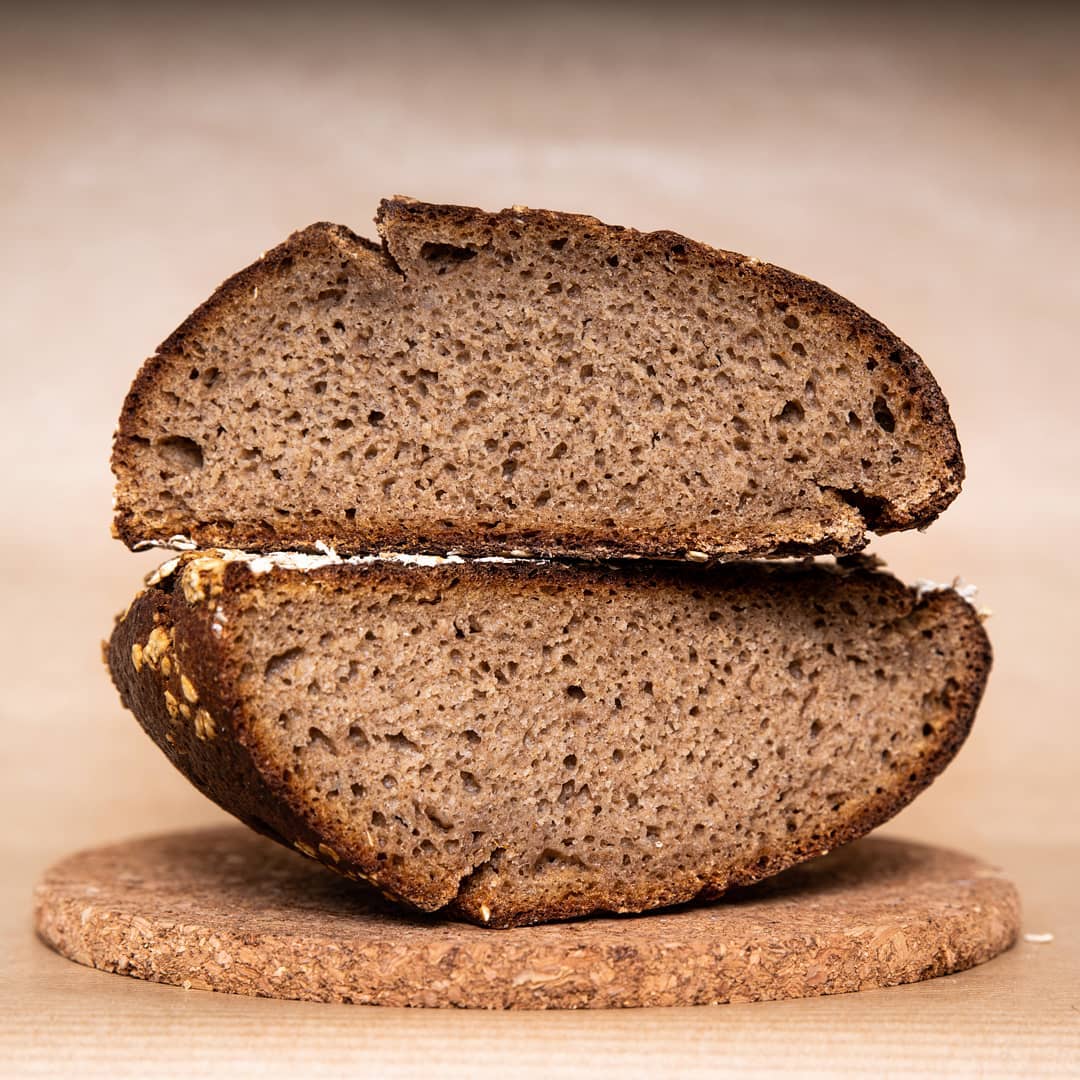








40olives.jpg